Recovery
What to Expect at a Prescription Drug Rehab Center

Recovery
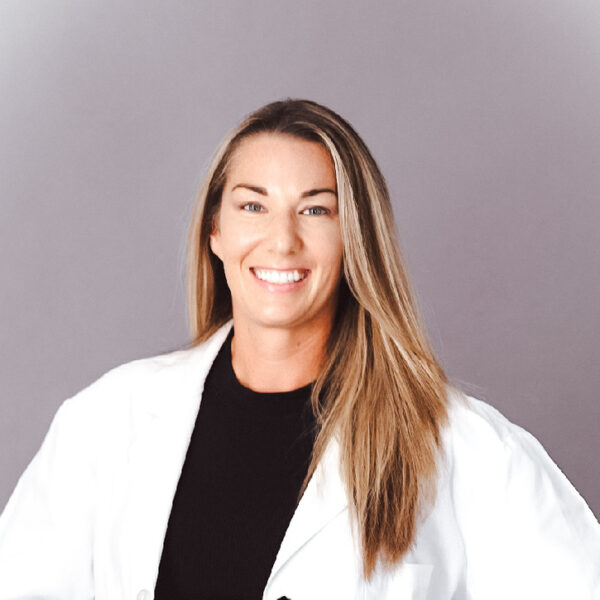
Hello, I’m Joshua Sprung, LCSW, Clinical Director at Southeast Addiction Center Tennessee. In my years of working with individuals and families grappling with substance use disorders, I’ve seen firsthand the profound impact that prescription drug addiction can have. It’s a challenging journey, often starting innocently with a doctor’s prescription, yet it can lead to devastating consequences. If you or a loved one are struggling with prescription drug misuse, seeking help at a specialized rehab center is a brave and crucial step. This post aims to demystify the process, offering a comprehensive look at what you can expect at a prescription drug rehab center, particularly here in Tennessee.
Before delving into the specifics of rehab, it’s vital to understand the nature of prescription drug addiction. Unlike illicit substances, prescription drugs are initially sanctioned by medical professionals. This can create a false sense of security, making it harder for individuals to recognize when use has escalated to abuse or dependence. Opioids (like oxycodone, hydrocodone, fentanyl), benzodiazepines (like Xanax, Klonopin, Valium), and stimulants (like Adderall, Ritalin) are among the most commonly misused prescription drugs. Each class presents unique challenges in terms of withdrawal and long-term recovery.
Dependence on prescription drugs often develops gradually. Physical dependence means the body has adapted to the presence of the drug and will experience withdrawal symptoms if use is stopped or reduced. Psychological dependence, on the other hand, involves an emotional need for the drug, often driven by a desire to escape difficult feelings, cope with stress, or achieve a certain state of mind. A comprehensive prescription drug rehab center in Tennessee understands these nuances and addresses both aspects of dependence.
The first step into a prescription drug rehab center is often the most difficult, but it’s also the most significant. At Southeast Addiction Center Tennessee, we strive to make this process as smooth and supportive as possible.
Typically, the journey begins with a phone call. Our compassionate admissions team will gather preliminary information, discuss your concerns, and answer any questions you may have. We’ll also verify your insurance benefits to ensure you understand the financial aspects of treatment.
Upon admission, you’ll undergo a thorough clinical assessment. This isn’t a judgment; it’s a critical step in developing your personalized treatment plan. Our team of medical doctors, nurses, and licensed therapists will evaluate several key areas:
For many individuals dependent on prescription drugs, detoxification (detox) is the essential first phase of treatment. Attempting to detox at home can be dangerous, even life-threatening, due to severe withdrawal symptoms.
At a reputable prescription drug rehab center, detox is always medically supervised. Our medical team monitors vital signs, manages withdrawal symptoms, and provides medications to ease discomfort and prevent complications. The specific medications and protocols used will vary depending on the type of prescription drug:
Our priority during detox is your safety and comfort, ensuring you transition into the therapeutic phase of treatment in the best possible physical and mental state.
Once physically stable, the real work of recovery begins through a combination of evidence-based therapeutic interventions.
One-on-one sessions with a licensed therapist are a cornerstone of treatment. These sessions provide a safe and confidential space to explore the underlying causes of addiction, develop coping mechanisms, and process difficult emotions. Common therapeutic modalities include:
Group therapy is incredibly powerful in addiction recovery. It fosters a sense of community, reduces feelings of isolation, and provides opportunities for peer support and shared learning. In group settings, you’ll learn from others’ experiences, practice new communication skills, and receive constructive feedback in a supportive environment.
Addiction is a family disease, impacting everyone involved. Our prescription drug rehab center in Tennessee offers family therapy sessions and educational programs. These sessions help families understand addiction, heal strained relationships, improve communication, and learn how to support their loved one’s recovery without enabling. We believe that family involvement, when appropriate and healthy, is crucial for long-term success.
Beyond traditional talk therapy, we integrate holistic and experiential therapies to address the whole person – mind, body, and spirit. These may include:
As mentioned, it’s common for individuals struggling with prescription drug addiction to also have co-occurring mental health disorders. This is known as a dual diagnosis. At Southeast Addiction Center Tennessee, our integrated approach means we treat both conditions simultaneously, as they often fuel each other. Treating one without addressing the other significantly reduces the chances of lasting recovery.
Your treatment plan will be designed to address both your substance use disorder and any underlying mental health conditions. This might involve specific medications for depression or anxiety, specialized therapy techniques, and a coordinated approach between your addiction therapist and a mental health professional.
Rehab is not a cure; it’s a crucial foundation for a lifetime of recovery. Before completing your residential treatment, our team works diligently with you to develop a robust aftercare plan.
Your aftercare plan is a roadmap for sustained sobriety. It typically includes: